AA Reveals Fastest Method to Defog Car Windscreen in Winter

The Automobile Association (AA) has released definitive guidance on the fastest method to clear a fogged or frosted car windscreen as winter conditions intensify. The motoring organization advises drivers to utilize a combination of warm air, air conditioning, and fresh outside air to rapidly remove condensation while warning against common but ineffective home remedies.
The Automobile Association (AA) has identified the most effective procedure for clearing a fogged-up car windscreen during morning commutes, offering definitive guidance as winter weather conditions persist.
According to the motoring organization, the optimal strategy for demisting a vehicle involves simultaneously using both warm and cold air systems. The AA explicitly recommends activating the warm air blower, the rear windscreen heater, and the air conditioning system together.
"You should turn on your warm air blower and rear windscreen heater as well as your air-con," the AA stated in its guidance. "If possible, allow some outside air to come into the car as well. This should help you quickly turn a frosted over car back into something more drivable."
The organization explained that activating the air conditioning is critical because it helps extract moisture from the cabin air, thereby preventing condensation from forming on the glass surfaces.
While various internet hacks suggest using household items to prevent steaming, the AA cautioned against applying substances directly to the interior windows. "[One] hack suggests rubbing half a potato onto the inside of your windows to stop them steaming up," the AA noted. "We wouldn't recommend rubbing anything onto your windows that could smear them and impair your ability to see the road clearly."
Regarding manual cleaning, the AA advised drivers to avoid using their hands to wipe misted windows, as this leaves smears that reduce visibility. Instead, a lint-free absorbent cloth should be used if necessary. The organization also emphasized safety protocols while the vehicle is warming up: "You should stay with your car the whole time while the engine's running and before you know it, your windscreen will start to clear up."
The guidance also addressed the risks associated with using water to remove frost on particularly cold mornings. The AA highlighted that water can transform into ice almost instantly in freezing temperatures, noting that warm water can freeze more rapidly than cold water under certain conditions.
If water refreezes on the windscreen, it creates an icy coating that can accumulate on wipers and bond them to the glass. This bonding can potentially damage the wiper motor or tear the rubber blades if the wipers are activated while stuck. Consequently, the AA warned against using cold water, stating it can freeze on the windscreen and cause damage.
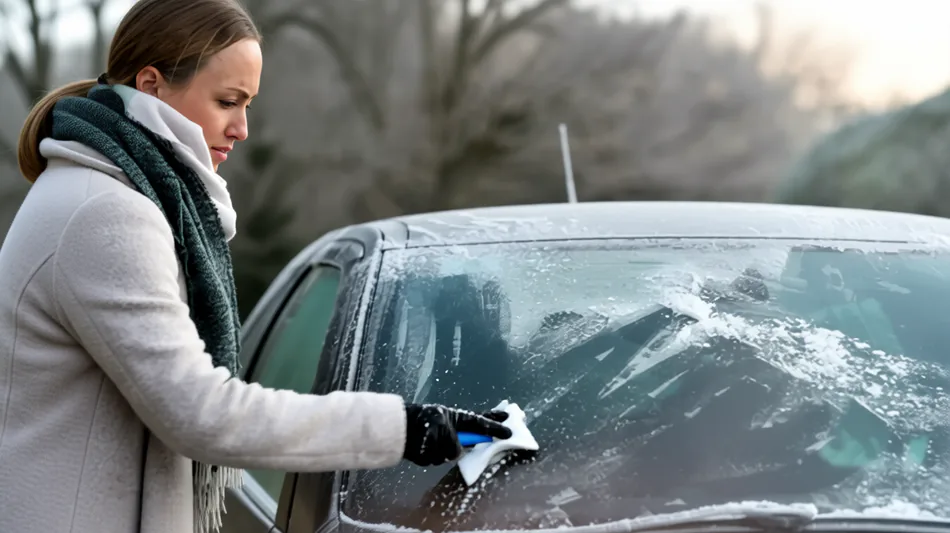
For vehicles with frozen windscreens, the AA recommended following the heating steps outlined above while simultaneously using a proper brush or de-icer to scrape frost from the glass while waiting for the car to warm up.
V.Guerrero--BT