Vietnam's To Lam bets big on building blitz / Photo: Nhac NGUYEN - AFP
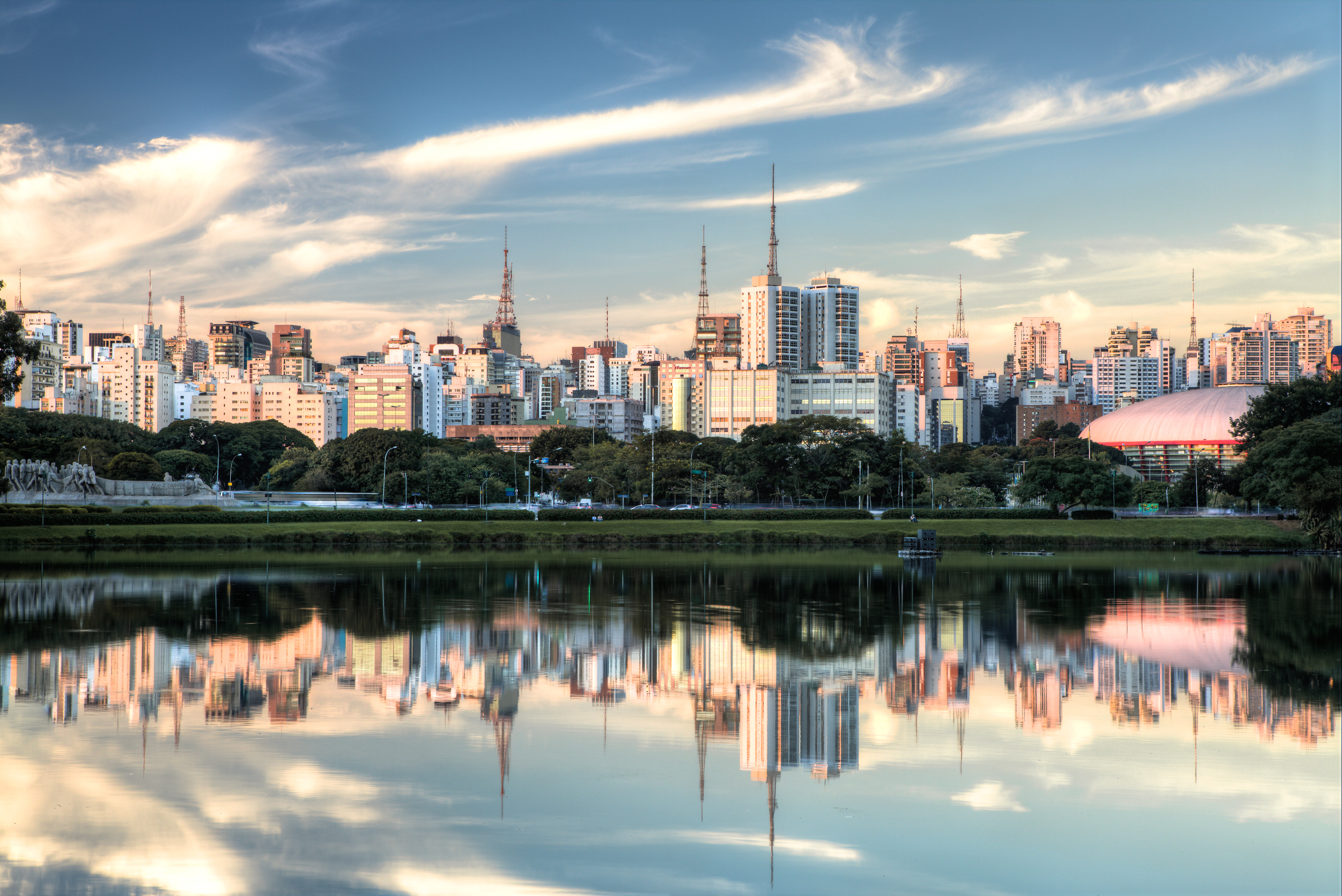
The world's largest stadium, Southeast Asia's biggest exhibition hall and hundreds of major road, aviation and energy projects -- Vietnam is building faster than ever in its self-proclaimed "era of national rise".
The country broke ground on more than 550 infrastructure projects last year alone in a staggering spree that will cost around $200 billion.
And it is planning hundreds more projects, including its first nuclear power plants and a 1,500-kilometre (930-mile) high-speed railway.
Overseeing the construction drive is the country's most powerful leader in decades, Communist Party General Secretary To Lam, who on Tuesday was named president as well.
He has staked his leadership on aggressive reforms that aim to deliver double-digit growth, slashing bureaucratic red tape, empowering the private sector and channelling vast resources into mega-projects.
"The party understands that legitimacy in Vietnam is ultimately built on delivered living standards," said Hanoi-based Dan Martin, from Asian business advisory firm Dezan Shira & Associates.
"The most consequential leaders in Vietnamese modern history are remembered for structural transformation," he added.
The building bonanza is likely to boost GDP, analysts say, but some caution that it comes with risks, while residents displaced in the name of progress complain of being left behind.
- Acceleration -
Once among the poorest and most isolated countries in Asia, Vietnam has transformed itself into a thriving export economy, supplying consumer electronics, machinery and clothing to Western nations.
It aims to become an upper middle-income country by the end of the decade, a goal that will require raising GDP per capita by 70 percent from today's $5,000.
Leader Lam has turbocharged the development agenda, promoting a "new growth model" powered by major investments in both physical and digital infrastructure.
Elevated to party chief after his predecessor's death in 2024, he has scrapped whole layers of government and abolished ministries and agencies in a bid to speed up official decision-making.
"We cannot accept low economic growth," he said in a speech to senior Communist Party cadres last month.
Many mega-projects have been in the pipeline for years, but under Lam they have suddenlymoved forward.
Others are being built on accelerated timelines, including a new $8.1 billion airport that will serve the capital region.
"This is a deliberate compression of what would normally take a decade into a three-year window," Martin said, referencing the country's mega-projetcs.
The government is borrowing heavily to finance the construction also courting private investors, such as mega-conglomerate Vingroup.
The strategy carries fiscal risks as well as the potential for graft in the authoritarian one-party state, according to analysts.
"Given the lack of financial transparency involved in these mega-projects, one cannot rule out the possibility that they are simply ways for government officials to steal from the state," said Tuong Vu, who leads the US-Vietnam Research Center at the University of Oregon.
Lam rose to power by pursuing an aggressive anti-corruption campaign, but under his rule businesses seen as close to his security-dominated wing of the party have prospered, experts say.
Better infrastructure could boost long-term growth, Vietnam analyst Le Hong Hiep told AFP, but poor management of the projects "could overheat the economy, leading to inflation, higher public debt, fiscal strain, and ultimately macroeconomic instability".
"Some of these projects may risk becoming 'white elephants,' draining public resources," he added.
Another Hanoi-based analyst, speaking on condition of anonymity, likened the government's pursuit of pricey projects to "a poor household trying to buy a luxurious Ferrari at all cost".
- Uprooted -
This concern resonates with 62-year-old Chung who was forced to give up much of his farmland outside Hanoi to make way for a massive complex that will include a 135,000-capacity stadium.
"I don't think Vietnam can host a World Cup, so what's the use of the world's largest stadium here?" he said.
Developer Vingroup paid him almost two billion dong ($76,000) in compensation, a fortune for most farmers in Vietnam but not enough to ease his fears about what will happen to his community.
"We can never benefit from that huge stadium. There will be no jobs there for us," he told AFP.
About 40 kilometres southeast of Hanoi in Lam's native Hung Yen province, farmer Dong voiced similar complaints after being evicted to make way for a $1.5 billion golf course being developed by the Trump Organization.
A luxury resort for the super-rich cannot replace farmland that has sustained the community for generations, she said.
"In just over a year, they quickly took all our land."
F.Gonzalez--BT